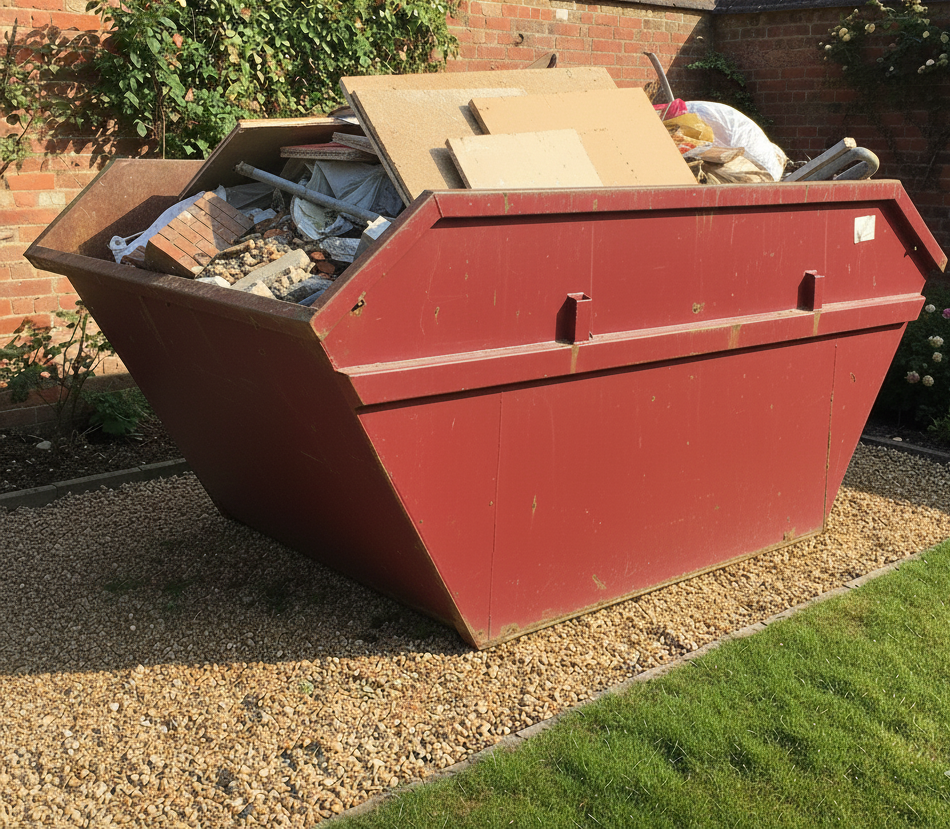

Understanding Skips and Which Size Works Best for Your Waste Today
Choosing the right waste container can make a noticeable difference to how smoothly a clearance, renovation or building project progresses. Skips are available in several capacities because the amount and type of material generated can vary considerably between a small household tidy-up and a substantial commercial refurbishment. Understanding those differences before making a booking can help avoid choosing something that provides too little space or paying for capacity that is unlikely to be used.
For homeowners, the decision may involve estimating waste from a garden project, decorating work or clearing unwanted household belongings. Landlords may need a practical solution between tenancies or during property improvements, while surveyors and local authorities can have different considerations when coordinating larger sites. Commercial properties can produce greater quantities of materials and may require additional planning around access, loading and collection.
Although this guide has been prepared with customers in Bracknell in mind, the principles apply equally to projects elsewhere. Thinking about waste volume, material type, available space and project duration before booking provides a much stronger basis for choosing an appropriate container and organising waste removal effectively.
Assessing Your Waste Before Choosing a Size
Before you order a skip, it is worth spending a little time considering exactly what the project is likely to produce. Estimating waste does not need to be an exact science, but a sensible assessment can make it considerably easier to select an appropriate capacity and organise the site efficiently.
Consider the Scale of the Project
- A small household clear-out will usually generate considerably less material than a complete property renovation.
- Make a rough list of the rooms, outdoor areas or workspaces involved before deciding on capacity.
- Consider whether waste will be generated at once or gradually throughout the project.
- Larger projects may benefit from allowing some additional capacity for materials that were not obvious during the initial assessment.
Identify the Type of Material
- Household clearances can include furniture, packaging, fixtures and general unwanted items.
- Garden work may generate soil, branches, plants, old fencing and landscaping materials.
- Renovations can produce timber, tiles, plasterboard, fittings and other building-related debris.
- Certain materials may need to be handled separately, so customers should confirm accepted waste types before loading begins.
Think About Available Space
- Measure the intended placement area rather than assuming there will be sufficient room.
- Consider whether the container can be positioned on private land such as a driveway or suitable commercial site.
- Allow sufficient access for the delivery vehicle to approach, position and later collect the container.
- Check for parked vehicles, narrow entrances, gates, overhead restrictions and other potential obstacles.
Estimate How Materials Will Fit
- Bulky objects can occupy significant capacity even when the overall quantity of waste appears relatively small.
- Breaking suitable items down can sometimes make better use of the available space.
- Waste should remain within the permitted fill level rather than being piled above the sides.
- Consider the shape as well as the quantity of the materials when estimating the capacity required.
Plan Around the Project Schedule
- Short clearances may generate all their waste within a day or weekend.
- Renovation work can produce materials gradually over several stages.
- Commercial projects may need waste capacity available for a longer period.
- Having a realistic schedule makes it easier to coordinate delivery and collection with the work being undertaken.
Taking these factors into account provides a much clearer picture of what the project requires. It also reduces the likelihood of making a rushed decision based purely on guesswork.
Matching Capacity to Domestic, Renovation and Commercial Projects
Different projects naturally require different amounts of waste capacity. A useful approach is to think about the work itself rather than immediately selecting a particular size. The appropriate option should reflect the expected volume, type of material and available placement space.
A mini skip can be a practical consideration for smaller domestic projects where the amount of waste is relatively limited. Tasks such as clearing a small room, removing unwanted garden materials or completing minor DIY work may not require the capacity associated with larger containers. A compact option can also be helpful where available placement space is restricted.
For household projects, it is sensible to consider everything that will be removed rather than estimating based on the first stage of the job. A loft clearance, for example, may initially appear straightforward but can reveal considerably more unwanted material once cupboards, storage boxes and larger objects are included. The same principle applies to garage and shed clearances.
Renovations often require more careful assessment because different stages of the work can produce different materials. Removing an old kitchen may involve cabinets, worktops, flooring, packaging and fixtures. Bathroom improvements can produce tiles, fittings and other materials. Thinking about the complete project helps provide a more realistic estimate.
Garden projects can also be deceptive. Cut branches and vegetation may appear manageable while spread across an outdoor area but can occupy considerable capacity once gathered together. Old fencing, damaged garden furniture, landscaping materials and other bulky objects can increase the total further.
Landlords preparing properties between tenancies may need to remove a mixture of household items, fixtures and materials from maintenance work. Planning waste removal alongside cleaning and refurbishment can help prevent discarded materials from obstructing contractors or delaying preparation of the property.
Commercial environments require a similarly organised approach. Office clearances can involve furniture, shelving, fixtures and general materials, while shop refurbishments may produce fittings, display units and renovation debris. Assessing the expected volume before work starts makes it easier to allocate sufficient capacity without unnecessarily occupying valuable space.
Surveyors, property managers and local authorities may also need to consider how waste removal fits into broader site management. Access, working hours, pedestrian movement and vehicle routes can all influence where equipment can be positioned and how collections should be organised.
Whatever the type of project, the aim should be to match capacity realistically to the work rather than automatically choosing the smallest or largest available option. A considered assessment provides a better balance between convenience, available space and efficient waste management.
Practical Size Planning for Different Types of Work
Understanding how different project categories generate waste can simplify the selection process. Rather than relying entirely on visual estimates, customers can consider the typical characteristics of the work and then discuss appropriate capacity with their chosen provider. Selecting skips according to the scale and type of project can help provide sufficient capacity without unnecessarily taking up valuable space.
Household Clearances
- Individual rooms and small storage areas usually generate less material than whole-property clearances.
- Furniture and bulky household belongings can occupy space quickly.
- Loft and garage projects should account for items that may have accumulated over many years.
- Separating belongings that will be retained, donated or reused before work begins can make waste estimates more accurate.
Decorating and DIY
- Removing flooring, cupboards, shelving and old fittings can produce more material than expected.
- Packaging from replacement products should also be included when considering capacity.
- Completing several rooms at once can substantially increase the total volume.
- Planning disposal before starting helps keep hallways, driveways and work areas clear.
Gardens and Outdoor Areas
- Branches, plants and hedge cuttings can be bulky despite being relatively lightweight.
- Old fencing, sheds and garden furniture can require significant space.
- Landscaping projects may produce different types of material that require careful handling.
- Customers should check which garden and landscaping materials can be accepted before loading.
Property Renovations
- Kitchen and bathroom work can generate a combination of fixtures, timber, tiles and other materials.
- Larger refurbishments may produce waste continuously rather than all at once.
- Coordinating removal with different stages of the work can prevent unnecessary accumulation.
- Discussing expected materials beforehand helps ensure the chosen solution is appropriate.
Business and Commercial Work
- Office clearances may involve desks, shelving, fittings and general workplace materials.
- Retail refurbishments can generate bulky fixtures and display materials.
- Commercial sites should consider delivery access and the effect of placement on everyday operations.
- Larger projects may require a more structured waste management schedule.
Considering these categories helps customers understand why there is no single size suitable for every job. The amount generated by two apparently similar projects can vary significantly depending on the property, materials and extent of the work.
When Greater Waste Capacity May Be More Practical
For substantial refurbishments, construction-related work and larger property clearances, large skip hire may provide a more practical way to accommodate significant waste volumes. Greater capacity can reduce the likelihood of filling the container too early, although it remains important to choose according to genuine project requirements rather than simply selecting the biggest option available.
One of the main considerations is how waste will be generated throughout the project. A full property refurbishment may involve several stages, with materials produced during stripping out, structural work, fitting and finishing. If substantial volumes are expected, allowing sufficient capacity from the beginning can make the working environment easier to manage.
Commercial premises can have similar requirements. Refitting an office, retail unit or other workplace may involve removing substantial quantities of fixtures, furniture and renovation materials within a relatively short period. Having suitable waste capacity available can help contractors maintain clearer work areas while allowing the project to continue.
Space remains an important consideration even when greater capacity is required. Larger containers naturally need more room for placement and vehicle access. Measuring the site and discussing access arrangements before delivery can help establish whether the intended position is practical.
The weight of the materials should also be considered alongside their physical volume. Dense building materials can become heavy before the available space is completely filled. Customers undertaking construction or renovation work should therefore explain what they intend to dispose of when discussing their requirements.
Another factor is the relationship between capacity and project duration. A larger container may suit a project generating significant amounts of waste over a defined period, but leaving unnecessary equipment on site for longer than required can reduce usable space. Coordinating delivery and collection around the actual work programme provides a more efficient approach.
Location can influence these decisions as well. Residential streets, driveways, commercial yards and construction sites all present different access conditions. In Bracknell and other towns, customers may need to consider neighbouring properties, parked vehicles and road access when planning placement.
Ultimately, greater capacity is most useful when it reflects the genuine scale of the work. Assessing materials, available space and expected volumes before booking provides a stronger basis for deciding whether a larger option is appropriate.
Choosing an appropriate waste container becomes much easier when the decision is based on the actual project rather than guesswork. Start by considering how much material is likely to be generated, what it consists of, how bulky it will be and how long the work is expected to continue. Available placement space and vehicle access should also form part of the planning process.
Small household clearances and minor DIY projects have very different requirements from full property renovations, commercial refurbishments and construction work. Even projects that appear similar can produce significantly different waste volumes depending on the size of the property and the extent of the work involved. Choosing suitable skips based on these practical factors can help make waste removal more organised and efficient.
Homeowners and landlords can benefit from assessing each room or work area individually, while surveyors, property managers and local authorities may need to consider wider site logistics. Businesses should also think about how waste removal can be arranged without unnecessarily affecting everyday operations.
Careful preparation helps customers choose suitable capacity, maintain clearer working environments and organise collection at an appropriate stage. When there is uncertainty, providing an experienced waste provider with accurate information about the project can help establish the most practical solution.
Skip Hire Bracknell provides straightforward information and practical waste removal solutions for domestic and commercial projects throughout the local area. Our approach is focused on helping customers understand their options so they can choose suitable capacity based on the scale of their work, expected waste volume and available placement space.
Whether you need skip hire for a household clearance, property improvement, garden project or commercial refurbishment, clear planning can make the process considerably easier. We aim to help customers consider important details such as container size, acceptable materials, access and collection arrangements before making their choice.
Our website is designed to provide useful guidance for homeowners, landlords, surveyors, local authorities and those responsible for residential or commercial properties. By making practical information easier to understand, we help customers approach waste removal with greater confidence and organise a solution suited to the individual requirements of their project.
Check out our latest X update to understand
skips
and discover which skip size works best for your waste today!
You might also like