
Finding Skip Hire Near Me for Quick and Easy Waste Removal Services
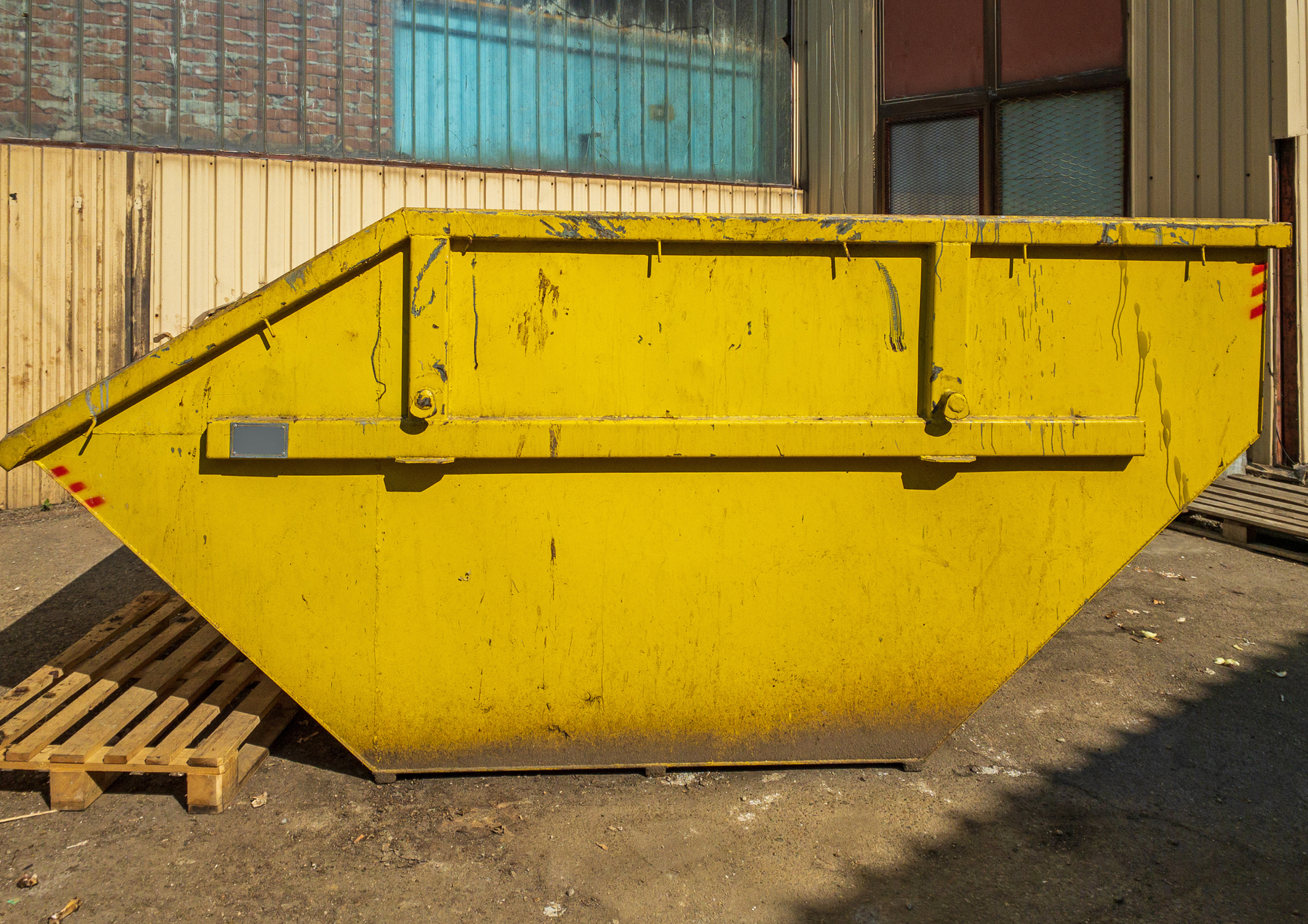
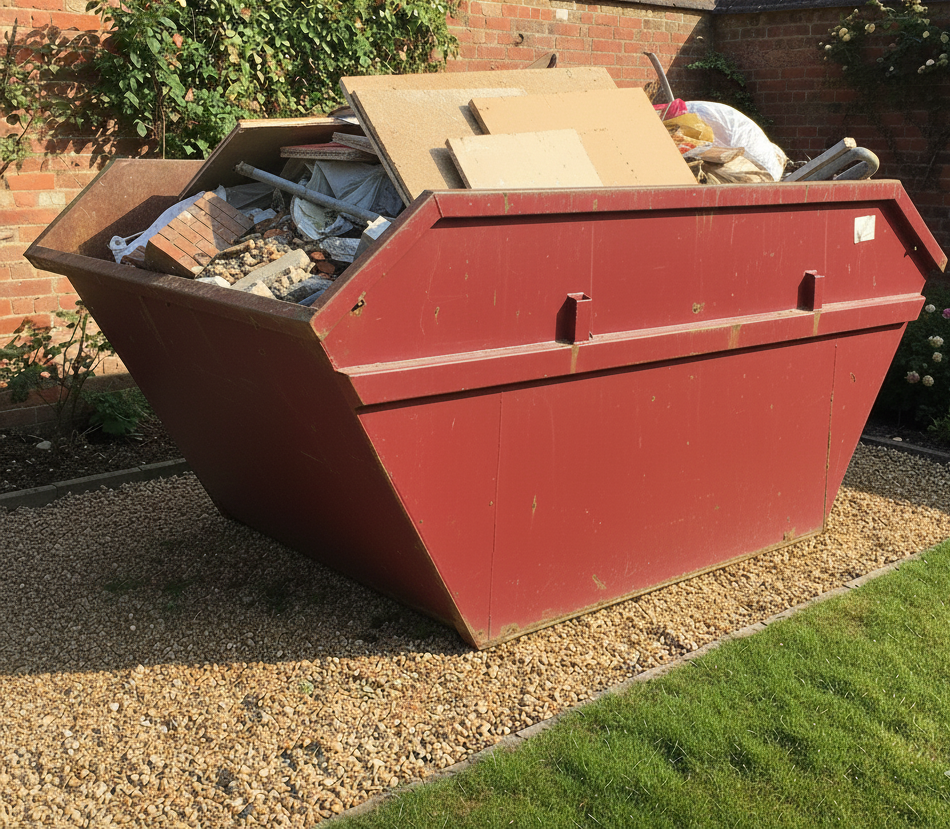
Managing waste effectively can make a considerable difference to how smoothly a household clearance, renovation, garden project or commercial refurbishment progresses. Searching for skip hire near me can be a useful starting point when you need a convenient waste solution that suits the scale of the work and can be delivered to an appropriate location.
For homeowners, planning ahead can prevent unwanted materials from taking over driveways, gardens and working areas. Landlords may need an organised solution between tenancies or during property improvements, while surveyors and local authorities may be involved with projects where access, timing and responsible waste management need careful consideration. Commercial premises can have similar requirements during refurbishments, maintenance work and general clearances.
Although arranging a container for waste may appear straightforward, several factors deserve consideration before making a booking. The amount of material, type of waste, available space, access for delivery vehicles and expected project duration can all influence which option is appropriate. Taking a little time to assess these details can make the entire process easier, helping waste removal fit naturally into the wider project rather than becoming an additional complication.
Assessing Your Waste Removal Requirements Before Booking
Before arranging waste removal, it is helpful to understand what the project is likely to produce. A small household decluttering project will have very different requirements from a complete property refurbishment, while landscaping work may produce bulky materials that occupy space quickly. Making an early assessment can help determine the capacity required and where the container can be positioned.
Consider the Scale of the Project
- A single-room clearance may produce furniture, packaging, old fittings and general household materials without requiring particularly large capacity.
- Kitchen and bathroom renovations can generate cabinets, flooring, tiles and other bulky materials that quickly occupy available space.
- Larger refurbishments and commercial projects may require more careful planning because waste can be generated continuously over several days or weeks.
- Estimating the amount before work begins can reduce the risk of choosing something that is significantly too small or unnecessarily large.
Think About the Type of Waste
- Different projects produce different materials, so customers should establish what they expect to dispose of before making arrangements.
- Garden work can create branches, soil, plants and other organic materials, while building work may involve timber, rubble and old fixtures.
- Some materials require separate arrangements and should not simply be placed with general project waste.
- Asking what can and cannot be accepted before delivery helps prevent difficulties later.
Check Access and Placement
- Driveways and private land can provide convenient locations where sufficient space is available.
- Narrow entrances, parked vehicles, gates, overhead obstructions and restricted roads should be considered before delivery.
- If private space is unavailable and placement on a public road is being considered, relevant local requirements may need to be checked beforehand.
- Leaving sufficient access for the delivery vehicle helps make both arrival and collection more straightforward.
Plan the Timing
- Consider when waste is likely to start accumulating rather than automatically arranging delivery at the beginning of the project.
- Having the container available during the busiest stage of the work can reduce clutter around the site.
- Customers looking for skips near me should consider availability alongside capacity and access so that delivery fits sensibly with the project schedule.
- Planning collection in advance can also help prevent a filled container remaining at the property longer than necessary.
Comparing Service, Convenience and Overall Value
Price is naturally an important consideration when arranging waste removal, but it should be assessed alongside the complete service being offered. Two quotations that initially appear similar may include different hire periods, capacities, delivery arrangements or collection procedures. Comparing these details gives customers a clearer understanding of what they will actually receive.
The lowest advertised figure does not necessarily represent poor value, just as paying more does not automatically guarantee a better experience. A useful comparison looks at what is included, whether the provider communicates clearly and whether the proposed arrangement genuinely suits the project.
Customers searching for the cheapest skip hire near me can benefit from checking the complete quotation rather than focusing exclusively on the headline amount. Understanding capacity, expected hire duration and collection arrangements can make it easier to identify genuine value while reducing the possibility of unexpected additional costs.
Reliability should also form part of the comparison. A delayed delivery can leave waste accumulating around a property, potentially disrupting tradespeople or slowing renovation work. Similarly, uncertainty around collection can create problems when a driveway, loading area or commercial space needs to be cleared for the next stage of a project.
Communication is particularly important for customers who have not arranged this type of service before. Clear guidance about suitable sizes, acceptable materials and access requirements can remove much of the uncertainty from the process. Rather than expecting customers to understand every detail themselves, a helpful provider should be able to explain the practical considerations in straightforward language.
The same principles apply to residential and commercial properties. A homeowner clearing a garage may primarily value convenience, while a landlord preparing a property for new occupants may have a tighter schedule. Surveyors and those overseeing larger sites may need arrangements that work alongside contractors and planned phases of work. Considering the wider requirements of the project makes it easier to select a service based on suitability rather than price alone.
Choosing a Suitable Size and Preparing for Delivery
Selecting an appropriate capacity helps make waste removal more efficient. Too little space may mean additional arrangements are required, while considerably more capacity than necessary can be inefficient. Looking at the type and volume of material expected is therefore an important part of planning.
Household Clearances
- Decluttering bedrooms, lofts, garages and sheds can produce a mixture of boxes, old furniture and general household items.
- Breaking down suitable bulky items can sometimes make better use of the available capacity.
- Estimating waste room by room provides a clearer picture before making a booking.
Renovation Projects
- Kitchen and bathroom work can generate bulky fittings alongside smaller quantities of construction debris.
- Removing old flooring, cupboards and fixtures may create more volume than expected once work begins.
- Discussing the scope of the renovation beforehand can help determine a practical capacity.
Garden Improvements
- Landscaping projects can produce branches, plants, fencing and other awkwardly shaped materials.
- Bulky garden materials can occupy substantial space even when they are relatively light.
- Organising waste as work progresses can make loading easier and keep paths and working areas clear.
Commercial and Managed Properties
- Offices, shops and managed residential buildings may generate waste during refurbishment, maintenance or clearance work.
- Delivery and collection may need to be coordinated around staff, contractors, residents or customers.
- Access should be checked carefully where parking areas, loading bays or shared entrances are involved.
Preparing the Site
- Remove vehicles and other obstacles from the intended placement area before the scheduled delivery.
- Check gates, entrances and turning space so the vehicle can reach the planned position.
- Keep the surrounding area clear enough for waste to be loaded conveniently throughout the project.
- When comparing skip hire prices near me, customers should also consider whether the proposed capacity and service arrangements properly match these practical requirements.
Why Local Knowledge Can Make Waste Removal Simpler
Working with a provider familiar with the surrounding area can make planning easier, particularly where access, busy roads or different types of residential and commercial properties need to be considered. Local knowledge can help with practical delivery planning while giving customers a convenient point of contact if circumstances change.
Basingstoke contains a mixture of residential neighbourhoods, commercial areas and surrounding communities, so access conditions can vary considerably from one project to another. A driveway at a suburban home may present few difficulties, while a commercial property, shared residential development or restricted street can require more careful preparation. Providing accurate information about the site when booking allows suitable arrangements to be considered beforehand.
A dependable local skip hire service should also provide clear information about delivery and collection rather than leaving customers uncertain about what happens next. This can be especially useful for landlords coordinating work between tenancies, homeowners working around tradespeople and businesses that need to keep operational areas accessible.
Good organisation continues after delivery. Customers should understand how to request collection, what to do if project timescales change and who to contact if they have questions during the hire period. Straightforward communication reduces uncertainty and helps waste removal remain a manageable part of the wider job.
Responsible handling is another consideration. Customers may want to know how collected materials are managed and whether suitable materials are separated for recycling where practical. Asking these questions before booking can provide a better understanding of the complete service rather than treating collection as the final consideration.
Ultimately, convenience comes from combining suitable equipment with realistic scheduling, clear communication and careful planning. A provider does not need to be chosen purely because it is geographically close; the service should also match the practical requirements of the project.
Quick and straightforward waste removal begins with understanding the project rather than immediately choosing the first available option. Estimating the amount and type of waste, checking access, considering the available space and planning around the project schedule can prevent many common difficulties before they arise.
Homeowners carrying out improvements can benefit from organising disposal before rooms or gardens become cluttered. Landlords can coordinate removal around maintenance and property preparation, while surveyors, local authorities and those responsible for commercial premises can incorporate waste arrangements into wider project schedules. Although the scale of these projects may differ considerably, the principles of good planning remain similar.
For customers searching for skip hire near me, it is worth comparing providers on more than the headline quotation. Capacity, hire duration, communication, delivery reliability, collection procedures and responsible waste handling all contribute to the overall experience. A service that fits the practical needs of the project can provide better value than one selected solely because it initially appears less expensive.
By considering these factors in advance, customers can create a clearer waste management plan and keep working areas more organised. This allows the focus to remain on completing the improvement, clearance or refurbishment rather than dealing with avoidable disposal problems.
Skip Hire Bracknell provides practical information and waste removal solutions for homeowners, landlords, surveyors, local authorities and those responsible for residential and commercial properties. We understand that every project has different requirements, whether it involves clearing unwanted household items, improving a garden, renovating a property or managing waste from larger works.
Our approach focuses on straightforward communication and sensible planning. We help customers consider the amount of waste they expect to produce, the capacity they may require and any access or placement considerations that should be addressed before delivery. This makes it easier to arrange skip hire near me with a clearer understanding of what is involved.
We also recognise that convenient collection is just as important as delivery. By considering the complete process from initial planning through to final removal, our website helps customers explore practical options that fit their individual project requirements while keeping waste management organised and straightforward.
Check out our latest X update on finding
skip hire near me for quick and easy waste removal services!
You might also like